
The Allure of Chance: Understanding Gambling’s Psychological Pull
Gambling, at its core, taps into fundamental human desires for excitement, reward, and the potential for life-changing outcomes. The very nature of games of chance, where outcomes are uncertain and immediate, creates a potent cocktail of anticipation and thrill. This inherent unpredictability is a key driver, as the brain releases dopamine, a neurotransmitter associated with pleasure and reward, in response to the possibility of winning, and for those seeking a convenient way to access these experiences, exploring options like the gangbob casino login can be a starting point. This chemical surge contributes significantly to the addictive nature of gambling for some individuals.
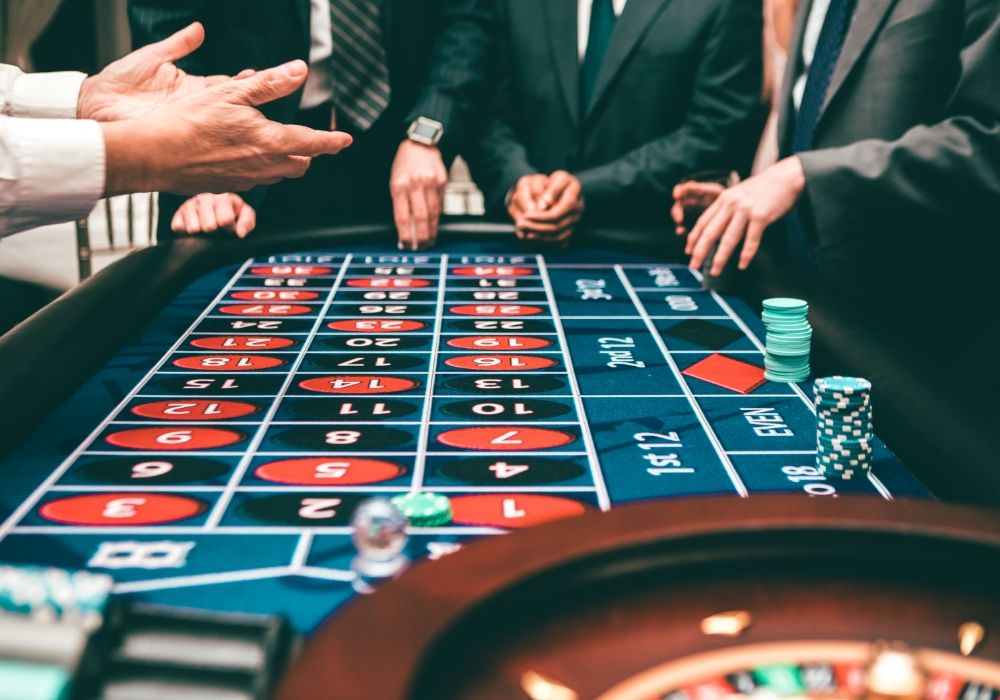
Psychologically, gambling environments are meticulously designed to enhance this allure. The flashing lights, the sounds of slot machines, and the social atmosphere of a casino floor all contribute to a heightened state of arousal. These sensory inputs work in concert to distract from the potential negative consequences and amplify the immediate gratification associated with playing. It’s a carefully crafted experience aimed at keeping players engaged and immersed in the moment.
Cognitive Biases and the Illusion of Control
Gamblers often fall prey to a range of cognitive biases that distort their perception of reality and increase their engagement with gambling activities. The “illusion of control” is a prime example, where individuals believe they can influence the outcome of games of chance through skill, rituals, or superstitions, even when the game is purely random. This belief can lead to increased betting and a reluctance to quit, as they feel their actions are dictating the results.
Another prevalent bias is the “gambler’s fallacy,” the mistaken belief that past independent events influence future ones. For instance, a gambler might believe that after a series of losses on red in roulette, black is “due” to appear. This flawed reasoning ignores the inherent randomness of the game and can lead to increasingly risky betting patterns. Understanding these biases is crucial for appreciating why individuals continue to gamble despite unfavorable odds.
The Dopamine Rush: Reinforcement and Reward Pathways
The release of dopamine in the brain plays a central role in the reinforcing nature of gambling. Every near-miss or small win can trigger a dopamine release, creating a positive feedback loop. This “variable ratio reinforcement schedule” is incredibly powerful, as unpredictable rewards are far more effective at conditioning behavior than predictable ones. The brain learns to associate the act of gambling with this pleasurable sensation, driving the desire to repeat the experience.
This dopamine surge isn’t solely linked to actual wins; even the anticipation of a potential payout can trigger its release. This creates a cycle where players are motivated by the possibility of the reward, even if the likelihood of achieving it is low. For those prone to addiction, this reward pathway can become overstimulated, leading to compulsive behaviors as they chase the feeling associated with winning.
Escapism and Emotional Regulation Through Gambling
For many, gambling serves as a form of escapism, a way to temporarily disengage from everyday stresses and negative emotions. The immersive nature of the games, combined with the mental focus required, can offer a brief respite from personal problems. The thrill and excitement of the gambling environment can also act as a powerful mood enhancer, providing a temporary sense of euphoria or distraction from feelings of anxiety or depression.
This use of gambling for emotional regulation can be a slippery slope. While it might offer short-term relief, it often prevents individuals from addressing the underlying issues. The temporary escape provided by the adrenaline rush of gambling can become a coping mechanism, leading to a cycle where the problems worsen, and the reliance on gambling for solace increases.

GangBob.uk: A Platform for Engaging Gambling Experiences
Websites like GangBob.uk offer a diverse range of gambling opportunities designed to capture the attention and engagement of players. These platforms often leverage psychological principles to create an enticing user experience. From the visual appeal of game interfaces to the promise of bonuses and promotions, the aim is to mirror the stimulating environment of a physical casino and provide accessible entertainment.
GangBob.uk, for instance, provides a convenient avenue for individuals to explore various casino games, from classic slots to table games. The platform’s design and game selection are often curated to cater to different player preferences, aiming to replicate the thrill and excitement associated with traditional gambling. This accessibility, coupled with the inherent psychological drivers of gambling, contributes to the platform’s appeal to those seeking entertainment and the potential for excitement.